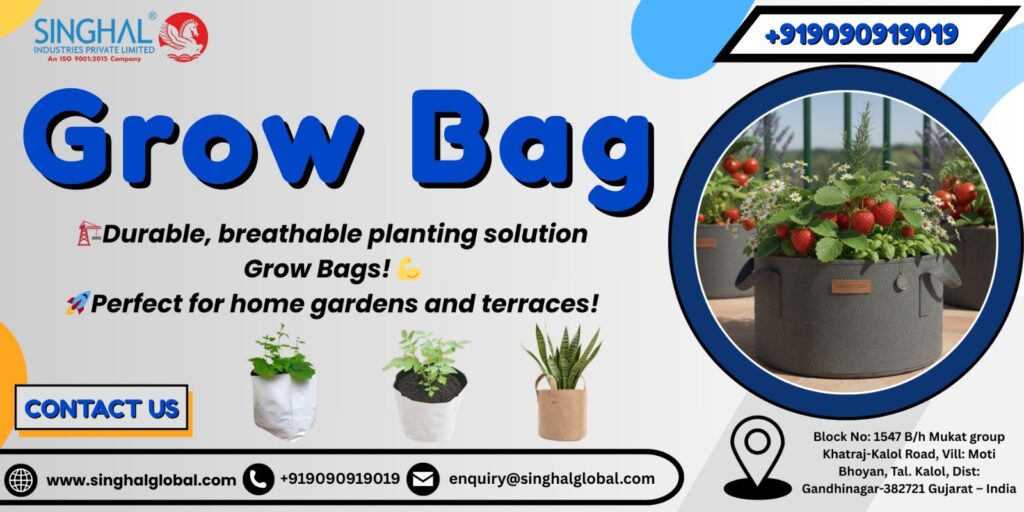
Grow bags are now an essential tool in modern horticulture, changing the way commercial and professional growers tend to their plants. The innovative containers, which are available from reliable Grow bag manufacturers, provide an efficient and flexible alternative to traditional pots and gardening techniques. For small urban farming to huge commercial enterprises, grow bags offer an effective solution to maximize yields while minimizing the environmental impacts.
The Growth of Grow Bags in Modern Agriculture
Grow bags are gaining popularity for professional gardeners due to the numerous benefits they offer over conventional pots for planting. In contrast to rigid pots, grow bags are lightweight and flexible and therefore easily transportable and moveable when needed.
The containers provide better air circulation within your root area, which helps avoid the usual issues with root compaction and circling that are common to traditional pots. In turn, plants that grow in grow bags usually have larger root systems that lead to greater nutrient intake and increased rate of growth.
Geo Fabric Grow Bags: A Green Alternative
There are a variety of grow bags that are available geo fabric bags are the most popular choice for green-minded growers. Made from a durable and breathable cloth, they allow for great drainage and maintain ideal levels of moisture in the medium used for growing. Geo fabric allows air to enter and into the side of the bag, which encourages healthy root growth by the process of “air pruning.”
Grow bags made of geo fabric are especially beneficial for businesses looking to minimize their carbon footprint. In contrast to plastic containers which create waste, the bags made of fabric can be reused and withstand many growing seasons if they are given adequate treatment. The permeable nature of these bags can also help to prevent water overflow, which is an issue that is common when large-scale businesses are run with automated irrigation systems could result in water waste.
Benefits for Professional Growers
For commercial and professional growers, the benefits for using grow bags go beyond environmental aspects. The light weight of these bags makes them simple to carry during transplants which reduces labor costs as well as reduces stress on the plant during the process of relocation.
Grow bags can also help with control of temperature within the roots zone. This is especially important in commercial operations where the same conditions for growth directly affect yield quality and consistency.
Choosing the Best Grow Bag Manufacturer
The high level of consistency in high quality and efficiency in large scale operations depends on the choice of a reputable Grow bag suppliers. The professional grower needs to find businesses that specialize in the manufacture of durable and quality bags that have direct application in commercial activities. They tend to provide various sizes and designs to match with different kinds of crops and growing demands.
When you are evaluating the grow bag manufacturer take into consideration factors like fabric quality, stitching endurance along with UV resistance. Commercial production requires containers that can endure prolonged exposure to sunlight and heavy handling without compromising the structural quality.
Applications Across a Variety of Growing Environments
Grow bags have proved handy in many different cases, both small-scale as with rooftop gardens and large-scale commercial farms. They are not heavy and that is why can be used in urban agriculture projects because one of the common issues is the weight when space is considered. The growers can easily move the bags of plants and install them in balconies, terraces and other elevated places by professional growers without facing structural load limitation.
In commercial greenhouses Grow bags are an effective solution to maximize the use of space. They can be set up in compact configurations, while permitting adequate air circulation around each plant. This results in greater yields per square foot of plant, possibly increasing yields overall without increasing its physical area of plant.
Maintaining and Longevity Concerns
Maintaining the bags properly is essential to the longest life of growing bags in commercial environments. Following each growing season, the growers must be sure to clean the bag thoroughly and avoid the accumulation of pathogens and insects. The majority of Geo fabric grow bags can be cleaned and reused several times, which makes them a cost-effective investment option for large-scale operations.
Commercial growers must also be aware of conditions of the grow bag during all of the season. Regular inspections will reveal any problems that could be causing wear and tear, or damage caused by sharp tools before they affect the health of plants. Through implementing a regular maintenance schedule professional growers can prolong the lifespan for their bags as well as maintain the same conditions for growth throughout multiple seasons.
Conclusion
Grow bags seamlessly blend with the latest growing techniques such as hydroponics and methods of cultivation that do not require soil.
Professional growers looking to maximize their operation grow bags offer an efficient and sustainable option that can combine the advantages of container gardening and the efficacy of modern agriculture methods. By working with reliable grow bag vendors and selecting top-quality geo fabric bags from reputable producers, commercial growers can improve the performance of their crops, decrease environmental impact and increase overall efficiency.
Frequently Answered Questions
Q1. What sizes are available in grow bags?
Grow bags are sold at various sizes based on the requirements of the various types of plants and growing requirements. Small bags of 1-3 gallons, medium bags of 5-7 gallons, and large bags of 10-20 gallons are the most common sizes; used with seedlings and herbs, fruits and vegetables such as peppers and tomatoes, and fruit trees and more ornamental plant species. In commercial business ventures, giant bags exceeding 20 gallons are used to hold trees, crops and other specialty plants.
Q2. Are grow bags suitable for use on balconies or terraces?
Yes, they suit well in the gardens of balconies and terraces. Their lightweight nature enables them to be carried and placed on high surfaces without much concern of the limit of the structural weight. The fabric material is very good in drainage, eliminating accumulated water that may destroy the surface of the building. The grow bags can also be designed in such a manner that will allow the most sunshine and utilization of space in the balconies and terraces.
Q3. Do grow bags work in organic farming?
Grow bags are highly flexible in farming which is organic. Namely, geo fabric grow bags are made of recycled or natural substances that do not leech toxic chemicals into the medium of growth. This porous cloth promotes the healthy growth of microbes in the soil, which is good for organic farming methods. The use of grow bags is evident in the commercial sector as many organic farms use the grow bags to offer a well-controlled, clean, and safe environment to grow and still meet the organic certification standards.
Q4. What are the ways grow bags can be used to help grow the health of root systems?
Grow bags have healthy root systems which are air pruned. The breathable design of the fabric will allow the air to pass through the sides of the container and the tips of the roots will trim naturally whenever they are close to the edge of the bag. This enhances the development of thick and fibrous root systems rather than the roots that circle, which might entrap the plant. Better air circulation prevents the occurrence of root rot and enhances absorption of nutrients resulting in healthier and stronger plants.
Q5. Who is the largest manufacture of grow bags?
The single biggest producer of bags for export is a challenge due to the fragmentation of the market. However, several nations have emerged as leading producers of grow bags for export. India, China, and Turkey are among the top exporters, with a variety of manufacturers that specialize in making bags for international markets. These countries benefit from established textile industries as well as competitive manufacturing costs, making it possible for them to provide grow bags to farmers across the world.