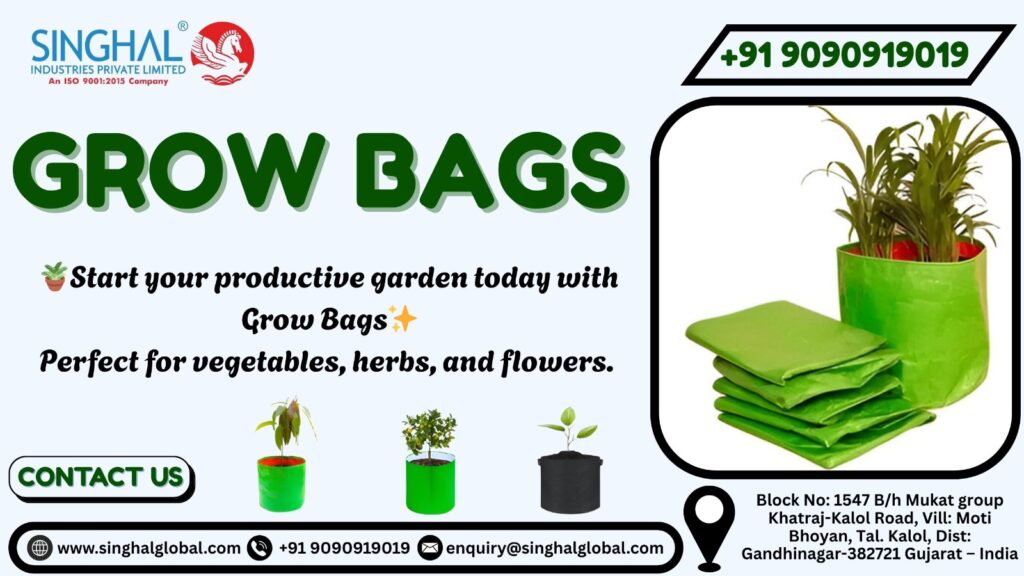
If you switch to premium grow bags, organic gardening becomes more manageable and less demanding, particularly if you lack space, are concerned about overwatering, or simply want healthier roots without any trouble. Plant grow bags are airy, they have good drainage, and they facilitate natural air-pruning of roots, which lessens root circling and makes Grow bags for plants stronger and more fruitful. Usually, they need to be watered more often than hard pots in hot weather because the fabric is more exposed to the sun and therefore drying is faster. A daily check is a good routine, especially in summer or windy places.
Why Grow Bags Work
Grow bags consist of breathable materials which improve aeration and drainage, thus stopping waterlogging and root rot while at the same time encouraging the development of dense, fibrous roots due to air pruning. This is often associated with better nutrient uptake and steady growth as compared to many traditional planters. Additionally, as they are not heavy and can be moved easily, you can reposition them to get the sun, protect from the storms, or change the layout of your balcony garden without hurting yourself or the pots.
Grow Bags for Plants and Trees
It doesn’t matter if you are growing tomatoes, peppers, herbs, or leafy greens; medium or large bags are good for balcony and terrace gardens, and self-watering versions can be the right choice for water-needy crops like tomatoes or cucumbers. The answer is yes, grow bags can be used for trees, citrus, figs, guavas, or dwarf stone fruits that can be grown in bigger, deep bags, but it is a must to select the right size and feed regularly because nutrients wash out quicker when watering is frequent in fabric containers. For delicate fruit trees, being able to move them around is a great advantage; you only need to take the bag to a safe spot during storms or sudden cold snaps if you want to protect the new growth.
Soil, Feeding, and Watering
Prepare a good quality, well-draining mix—think potting mix with some compost and a little bit of perlite for ventilation. As the water runs out freely, the nutrients also go quickly; a slow-release fertilizer applied at the time of planting combined with a light liquid feeding every couple of weeks will keep the plants healthy in bags.
Water thoroughly until the excess water flows, and then let the top inch of the soil dry; during hot summers, the watering is done every day most of the time, while in a cooler season, the interval can be 2–3 days depending on the size of the bag and the plant’s needs.
Balcony and Small-Space Wins
Grow bags are very convenient for balconies because they are not heavy, you can fold them, and they can be put into a tight corner or along the railing, and at the same time, they provide oxygen to the roots in a shallow soil volume. In case you are worried about water runoff, you can put the bags on trays or in the low totes with a small hole for draining slightly above the bottom in order to prevent roots from getting soaked—here the water is going to wick from the mini-reservoir without getting the soil waterlogged.
Choosing Sizes That Make Sense
- Herbs and salad greens: 3–5 gallon bags are the right size.
- Bush tomatoes, peppers, eggplants: 7–10 gallons will give the roots enough space and will reduce the daily watering stress.
- Potatoes or deep-rooted veg: 10–15 gallons to get higher yields.
- Grow bags for trees: 15–30+ gallons for dwarf or semi-dwarf fruit trees; the bigger the bag, the more stable the moisture and feeding, and the less often you will have to water.
Common Hiccups (and Fixes)
Is the soil drying too quickly? Adding mulch, lighting the bags collectively to create a microclimate, or using trays/totes for bottom watering can help slow the evaporation process.
Are nutrients fading? Have liquid feeding scheduled every fortnight and rejuvenate with compost top-dressing mid-season as frequent watering washes nutrients faster in fabric.
Is water running off the surface? You can roughen the top layer, water slowly, or bottom-water so that moisture can wick upward evenly; a hydrophobic potting mix can also be re-wet gently with multiple passes.
Working with Manufacturers of Grow Bags
Good Grow bags manufacturers produce UV-stable, breathable fabrics with tough stitching and handles, which are useful when bags are in full sun or need to be moved frequently. Be on the lookout for size labeling, reinforced seams, and drainage-friendly design; some brands even offer self-watering bases or companion trays that can make the care of the garden easier and more convenient.
A Quick, Honest Reflection
Sometimes the bags look like they have dried out very quickly, and yes, you will ask yourself: “Did I just water. again?” Then you mulch, put a tray, and suddenly your mornings are not so hectic. But the first time it’s a 10-gallon bag with heavy tomato clusters or your balcony basil that grows like a mini hedge because roots are happy and breathing, it really hits—this is the kind of simple, organic gardening that works with real life, not just perfect yards you see in pictures.
Conclusion
Select two bag sizes: a medium one for herbs/greens and a large one for tomatoes or peppers, so that you can determine the water needs by comparison.
Put quality potting mix with compost in the bag; after planting, add a slow-release organic fertilizer and put mulch on top.
Bags can be placed on trays or in a shallow tote with an overflow hole and then watered deeply; after that, one should feel the mix daily during the first week to learn the rhythm of one’s setup.
Make notes about watering and feeding in a small diary; by the third week, you will have complete knowledge of what your balcony microclimate requires and gardening will then be, well, simple.
By using premium grow bags for plants, the roots get healthier, the transplant process is less troublesome, and the setup is flexible and can grow along with your confidence. Whether it is Grow bags for trees or small herb pockets beside the kitchen door, the organic way of gardening is now made less complicated, portable, and – dare it be said – enjoyable.
Frequently Asked Questions (FAQs)
Q1. Are grow bags suitable for balcony gardening?
Certainly. Their light weight, breathable fabric, and portability make them the perfect choice for balconies; for better sun exposure, you can move them, set them in trays to manage runoff, and fold them away when not in use.
Q2. Can grow bags be used for fruit trees?
Definitely. Opt for larger-capacity bags (15–30+ gallons), feed your tree regularly, and use mulch; besides that, you can also carry your tree with you if the weather is harsh.
Q3. How often should I water plants in grow bags?
One should always check the plants daily during warm weather; most gardeners water their plants once a day in summer and less often when the weather is mild, but the best guide is always the soil and the bag’s weight—water thoroughly when the top inch is dry and the bag is light. Mulch and bottom-watering can help to lengthen intervals between watering.
Q4. Which size grow bag should I choose for my plant?
In short: Herbs or greens need 3–5 gallons, tomatoes and peppers 7–10, potatoes or heavy feeders 10–15, and dwarf fruit trees 15–30+ with an option to increase if you prefer waterings less frequent and steady growth more.
Q5. Who is the largest exporter of grow bags?
The market is changing, but India and Sri Lanka are the two well-established centers with a large number of exporters and manufacturers supplying polypropylene and coir-based grow bag products worldwide.