Hey fellow plant lovers! Imagine entering a nursery in which the ground isn’t plain dirt but is alive with an abundant carpet of green which wards off plants, keeps the soil moist, and makes everything appear picture-perfect. This is the power of ground cover for horticulture and management of the nursery. I’ve spent a lot of time tinkering with my backyard garden in Varanasi, fighting heat and monsoon flooding, and let me say that ground covers are my go-to weapon. They’re more than just pretty; they’re hard-working heroes who transform the soil from a mess into a fertile paradise. But, wait a minute, are they always perfect? They can be troublesome when you choose the wrong one. In this article, we’ll go into the world of ground covers and why they are a hit (or miss) in farms and nurseries, and also how the latest technology, like the HDPE ground mats, fits into this. Keep reading for real stories, a few niggles, and some tips that could help you save your next gardening project.
What Are Ground Covers?
Ground covers, in simple terms, are plants that grow low or other materials that cover the surface of the soil. In horticulture, think vinca or creeping thyme, which embrace the earth like a blanket. Nurseries utilize these plants to enhance the display beds, avoid erosion, and reduce watering costs. However, here’s the surprise: not all ground covers are healthy. Some are synthetic and include mats as a ground cover, replicating this effect but without the hassle of trimming or insects.
Why Are Ground Covers Necessary for Nursery Management?
Firstly, they manage the weeds. Weeds are a threat, taking sunlight and nutrients from your ornamentals that you have cherished. A good mulch will snuff the weeds out organically. They also retain moisture, which is crucial during dry spells. Additionally, they stabilize soil and prevent it from washing away when heavy rains are expected. I once assisted a friend at a local nursery following an inundation; without cover, half his pots fell, and soil was everywhere. Heartbreaking, right? If you have the right covers, this disaster can be prevented. However, there are a myriad of contradictions. There are those who say that living ground cover adds biodiversity, while others claim they compete with other plants. Who’s right? It all depends on your setup.
The Role of Living Ground Covers
Living ground covers are the underlying nutrient of the horticulture industry. Plants like ajuga, pachysandra, or even indigenous Indian ferns grow through runners or roots, creating the appearance of a thick mat. At nurseries, these plants are a gold mine for shade areas or potting houses.
In horticulture, ground covers excel in erosion control. Slopes in nurseries? Plant ivy or sedum and watch the soil remain in place. They also improve the health of the soil by adding organic matter when leaves break down. A real-world example: a Varanasi farm that I visited utilized the lantana plant as a cover for fruit trees. Yields jumped 20% because less evaporation meant happier roots. But, the question for gardeners: are they a breeding ground for bugs? Yes, sometimes, as do the slugs who love that damp place.
Artificial Ground Covers for the Garden: The Modern Twist
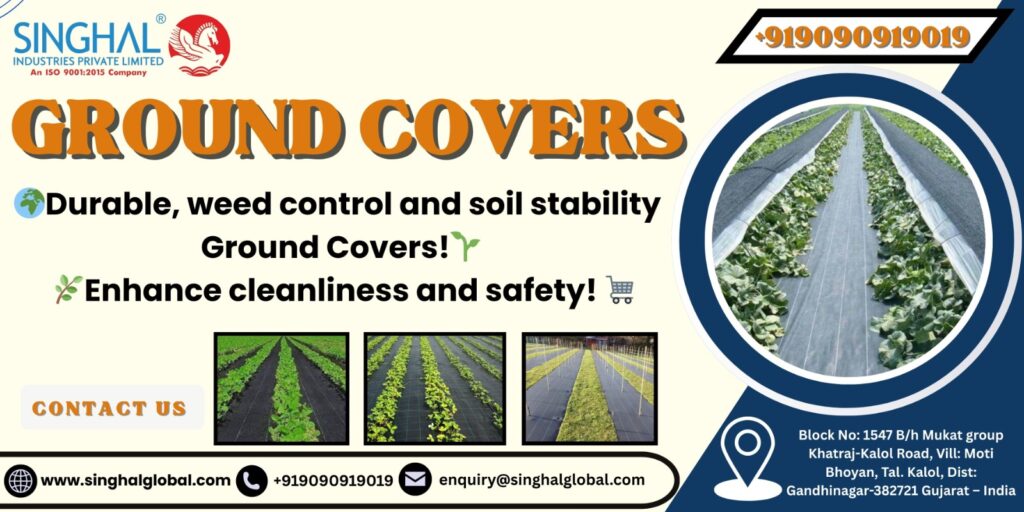
Then, we can look at game-changing synthetic options such as HDPE ground mats. HDPE is a tough, UV-resistant plastic that is woven into mats. The HDPE ground mats manufacturers are flourishing in India and are producing permeable mats that allow water flow but keep out all weeds. Why are they synthetic in horticulture? Durability. Living covers can die in extreme winters or dry conditions; mats do not. Imagine this: a huge garden located in Uttar Pradesh laying HDPE ground mats under potted plants. No mud splashes on the leaves, no wheelbarrow rolling, and no weeds? Nonexistent. I felt a sense of envy looking at it. My garden could have used it for Diwali cleaning. The permeable design means roots breathe, and rain infiltrates. But there’s a contradiction: eco-warriors hate plastics. It’s true that they do not break into pieces. However, they can be reused for many years, and they reduce herbicide use. Win?
Nursery management with a mat for the ground, such as HDPE, is ideal for use under greenhouses, benches, or even under benches. It prevents soil compaction due to foot traffic. A colleague’s nursery was devastated by fungal rot caused by soggy pathways. Changed to HDPE mats? Problem solved. Feelings rage: initial skepticism (“plastic in my garden?”) and then relief.
Benefits of Horticulture and Challenges
Benefits galore: retention of moisture reduces irrigation by 30 to 50 percent. Elimination of weeds: up to 90 percent. Control of erosion: roots grasp mats when living covers are over them. In nurseries, faster plant growth means quicker sales. Increased yields on crops? Indirectly, by improving soil. Challenges? Installation labor. Spread out, staple down—sweaty work. The clogging can be a problem if it is not permeable. Then there’s the plastic guilt. I am wondering if biodegradable alternatives can catch up? For now, HDPE rules.
HDPE ground mats manufacturers are focused on high-end quality, UV stabilization, and high tensile strength. Indian companies are leading exports that ship into Middle Eastern farms battling sandstorms. My personal opinion: they’re more expensive initially, but the ROI? Massive. Are you one of those who has slipped and fallen on the nursery flooring? These Mat for ground, reducing back pain.
Conclusion
In orchards and gardens, coverings under trees can reduce cutting. Greenhouses? Mats prevent algae. Landscaping tie-in: yes, they’re stars too (more in the FAQs). Mix it up: mix synthetic and living. Lay out a mat base, then plant thyme on top. Hybrid heaven.
Frequently Asked Questions (FAQs)
Q1. Are ground covers suitable for farming?
Absolutely, yeah! In farms, rows are mulched to conserve water while fighting the weeds. Be careful, as some crops will be smothered when they are too aggressive. My rice paddy’s neighbor used straw covers. The yields increased, but harvesting was difficult.
Q2. Can ground covers be used for landscaping?
You bet. They can create a seamless lawn without mowing. Consider the moss found in Japanese gardens or liriope in modern gardens. Contradiction: low-maintenance claim? Not if deer munch on them. Varanasi temples have them placed beautifully in the ghats.
Q3. Can ground cover be used to cover stones or gravel?
Yes, it’s a perfect combination. Mat for ground, similar to HDPE, starts first so that weeds don’t get through the gravel. I used this on my driveway. The gravel remains in place; it doesn’t sink. It feels solid and lasts for a long time.
Q4. What can ground cover do to help increase crop yield?
They keep moisture in the soil, reduce plants that eat nutrients, and regulate soil temperatures. For instance, a Maharashtra vineyard that had cover crops produced 15 percent more grapes. In terms of emotional satisfaction, watching plants thrive is like being a parent to success. If you overdo it, the competition can be detrimental.
Q5. Who is the largest exporter of Ground Cover?
India is the top choice, with manufacturing companies like those found in Gujarat and Tamil Nadu shipping globally. The exact definition of “largest”? It’s hard to define; however, companies like SIPL (hey, we’re SIPL!) have a strong presence in exports of high quality to more than 50 countries. The pride of the city grows. Ground covers aren’t one-size-fits-all. Try small and look around. In the heat of Varanasi, they’re lifesavers.