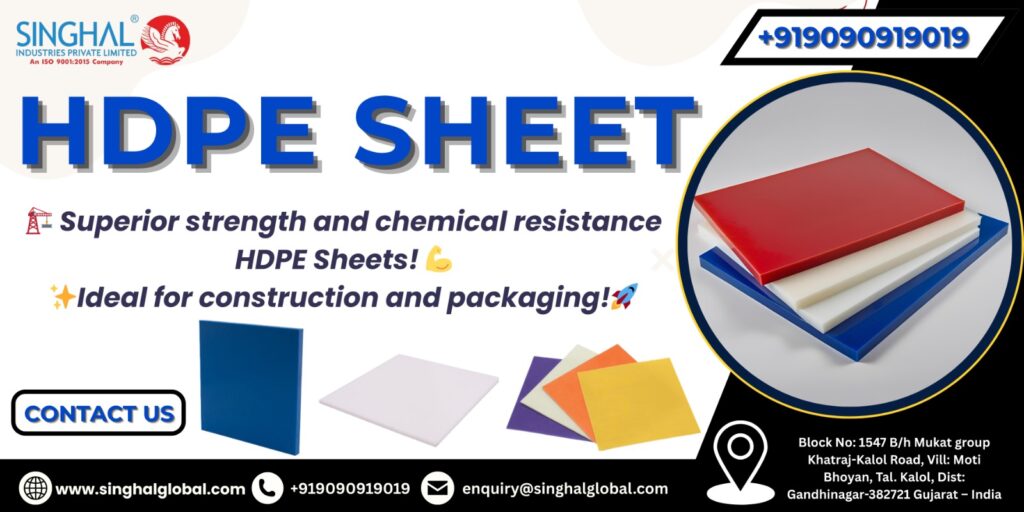
HDPE sheets made of food grade are changing the way we manage food security in factories, kitchens, and storage spaces. Made from high-density polyethylene, this material is distinguished by being durable, non-toxic, and extremely simple to wash, making it the ideal choice for those who are serious about cleanliness. The sheets don’t simply appear pretty, but they actually defend against bacteria and other chemicals that can deteriorate food. Imagine cutting vegetables with a countertop that doesn’t soak up juices or harbor bacteria. HDPE is approved by major regulators such as the FDA for direct contact with food.
What Makes HDPE “Food-Grade”?
Food-grade is a term used to describe a product that meets strict standards of purity, with no harmful ingredients or contaminants that are leaching into the food you eat. As opposed to ordinary plastics, these sheets undergo more processing to make sure they’re safe at all temperatures or when mixed with acidic ingredients like vinegar or tomatoes. They test them thoroughly for limits on migration, in which tiny bits of plastic may attempt to enter food items. It’s a fact that they do not.
This certification includes all aspects of cutting boards to conveyor belts used in huge food processing plants. HDPE’s density plays an important aspect too. It’s compact with no pores that dirt can hide in. Just a quick wash with water and soap, and it’s as good as new. There’s no need for harsh chemicals that can harm wood or other metals.
Key Properties for Safety and Hygiene
The strength is probably the most important thing to be able to see. They can withstand impacts without cracking, which is ideal for kitchens with a lot of activity where the pans and pots fall frequently. They’re light too, which means the full Hdpe sheets 4×8 won’t feel like you’re wrestling a boulder. Chemical resistance? Top-notch. Cleaners, oils, and even sanitizers are able to bounce off. This helps keep the surface clean longer, which reduces cross-contamination issues among raw and cooked meats as well as vegetables.
The ability to handle temperature is another benefit. They can withstand freezing cold in fridges, or mild heat generated by steaming dishes while remaining stable and not getting warped. The UV resistance ensures that they don’t disintegrate under light sources in stores also. And moisture? Don’t worry about it. Non-absorbent nature stops mold growth dead. If you live in the humid Indian summers, it’s an essential feature for food storage.
Everyday Uses in Food Handling
In food processing facilities, HDPE sheets are used to cover tables where meat is cut or dough is formed. The standard size of their sheets fits in the majority of setups and is simple to reduce when needed. Cutting boards are a dream for HDPE. Sharp knives glide across without massive gouges that hold in bacteria. Pros and home cooks alike are adamant about them for their longevity. One board can last for years when properly maintained. Storage shelves and bins? HDPE sheets cover them, ensuring spills are in check and simple to wash. In the packaging, they act as barriers within boxes, which ensure that the freshness of dairy or fruits lasts longer. Tanks can also get an HDPE upgrade to hold liquids like juices or milk. Seamless welds ensure that there will be no leaks or spots of weakness.
Why HDPE Beats Other Materials
It’s like wood: wood absorbs moisture, germs grow, and wilts with time. HDPE? It’s not all drama. Stainless steel is expensive and is easily damaged. HDPE is more affordable and equally durable for the majority of jobs. Glass is hygienic but heavy and shatter-prone—imagine shards in your salad. Acrylic is easily scratched and hides dirt. HDPE is smooth, resists cuts from knives, and is more affordable in the long run. Recyclability is a way to earn eco-points. At the end of its life, the plastic melts into new sheets and does not lose its quality, unlike plastics which degrade.
Sourcing HDPE Sheets in India
HDPE sheets for food grade are a top option for anyone looking for substances that don’t contaminate food items or allow germs to accumulate. Made from high-density polyethylene, sheets are able to keep your kitchen clean and secure in factories, kitchens, and storage areas.
Why Choose Food-Grade HDPE?
They shine due to their durability and ease on food items. In contrast to metal or wood, HDPE doesn’t soak up the toxins of bacteria or water and makes cleanup easy by using water and soap. It’s FDA-approved, so you don’t have to worry about chemicals leaching into your food. Additionally, it can handle scrapes and bangs without breaking and is ideal for areas with high traffic such as cutting boards and conveyor belts. It’s also light, and therefore, putting it in isn’t like pulling an enormous beast. In time, this will save money as they last for many years without having to be replaced.
Key Properties That Make It Hygienic
Food-grade HDPE blocks the harmful chemicals of cleaners or food acids, which keeps surfaces clean. Its porous nature prevents water traps, which bugs such as bacteria are known to hide. The UV treatment of certain types ensures that they don’t get destroyed by light or sunlight if they are used outdoors. In terms of temperature, it can go from freezing cold up to 180 degrees F without getting warped. Factories love that it helps reduce food waste and health hazards. A tiny blemish in the perfect? It’s possible to scratch it; however, a little sand can fix it quickly.
Sources of Supply from Reliable Sources
Identify the best quality by calling renowned Hdpe sheets manufacturers in India where companies such as Singhal Global produce best of food grade products. They practice high standards in order to ensure that every sheet is of international standards in regard to safety. HDPE sheets suppliers offer bulk rates especially when it comes to shipping Hdpe sheets 4×8 as a sheet sold flat and this saves space. Discover those that are certified by the FDA or EU. No shortcuts in security. Local Indian producers save the companies in the region both on delivery expenses and transportation time. Pro tip: UV-stabilized models can be found when you are outside. Prices are largely affordable and this makes mass buying a worthwhile idea to the factories. Sample appropriateness is always to be checked by requesting samples.
Fabrication and Custom Work
These sheets are cut, welded, and formed like butter. For tank linings, heat guns seal edges tight against leaks. HDPE sheets 4×8 offer large coverage with no joins, which is ideal for walls and flooring. In India, manufacturers adjust thicknesses ranging from 1mm to 50mm to suit any task. Drill holes? There aren’t any cracks. Are you able to bend it? It’s durable. This is why food plants love it: quick repairs and less time spent in the kitchen.
Benefits Beyond Hygiene
Lightweight cuts eliminate problems, and chemical resistance ensures that harsh cleaners can’t take it up. Impact strength can handle drops from large pots and machine vibrations. Longer lifespan? As long as 20 years if you choose the right places. There’s also less energy consumption, as there’s less need to heat it up. It’s also food safe; it doesn’t leave a taste taint on the food items that are stored. Businesses can see ROI quickly from fewer replacements.
Environmental Edge
HDPE recycles effortlessly, turning older sheets into new sheets. There is less waste in landfills than disposables. Producers are now using recycled materials and are reducing carbon footprints nicely.
Conclusion
HDPE sheets that are food-grade aren’t only reliable; they’re also an excellent choice for any setup that requires hygiene. From restaurants with a small menu to large factories, they provide quality without fuss. If you’re thinking about specifying a material, consider HDPE first. It’s strong, easy to clean, and budget-friendly. Explore the options available from HDPE sheets suppliers near you and make your space more functional right now!
Frequently Asked Questions (FAQs)
Q1. Are HDPE sheets suitable for fabrication of tanks?
Yes, HDPE sheets that are food-grade weld perfectly for tanks that hold water or chemicals, as well as food liquids. The seamless seals they provide prevent water leaks as well as contamination.
Q2. What is the melting point for HDPE?
About 130-135°C (266-275°F). It can handle hot washdowns, but it melts in the event of overheating. It keeps its shape up to 80°C stable.
Q3. How much does a sheet weigh?
A standard sheet of HDPE 4×8 at 10mm thick weighs 20-25 kg, based on the density. Super light for handling!
Q4. Are HDPE sheets appropriate for cutting boards?
Totally! FDA-approved products are safe, food-safe, knife-friendly, and bactericide-resistant. They are more hygienic than wood in professional kitchens.
Q5. Who is the largest exporter of HDPE sheets?
Singhal Industries Pvt Ltd is the leader in exports; however, Hdpe sheets manufacturers in India, such as those in Gujarat, are expanding quickly and are shipping internationally with high-quality products.