Hey you fellow farmers and gardeners! Imagine yourself out in the field early in the morning, drinking coffee, and you find the weeds sprouting like unwelcome guests at a gathering. Frustrating, right? I’ve been there, knee-deep in the soil of the backyard of my home in Varanasi, removing the weeds that eat away nutrients from my vegetables. This is when I came across that weed mats are game changers in the fields of agriculture and landscaping. These simple and effective materials can be laid down as a barrier that blocks weeds and lets your plants flourish. This blog will dig into the weed mat’s solutions by sharing tales, tips, as well as a few unexpected facts. Keep reading until the end; you’ll be wondering why you didn’t change earlier.
What exactly is a Weed Mat?
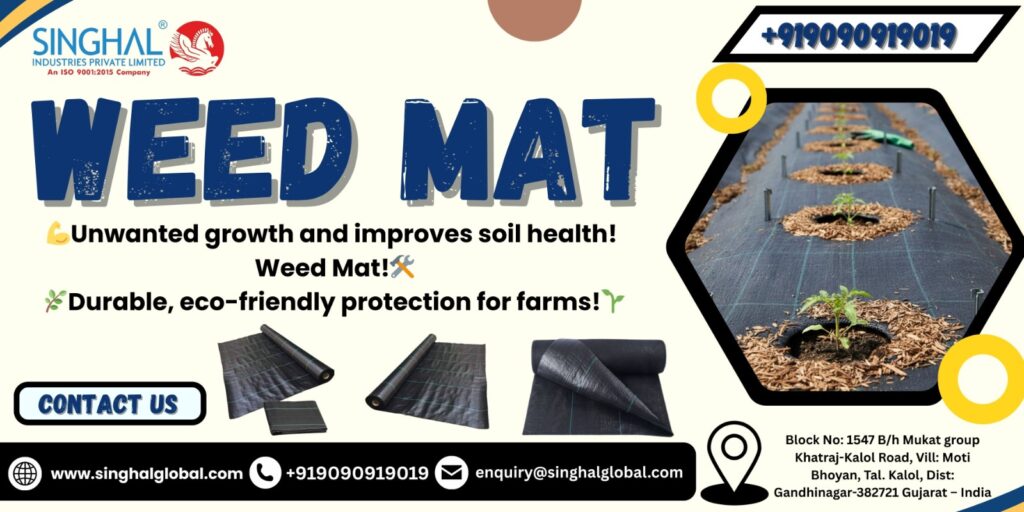
Let’s break it down in simple terms. Weed mats, often referred to as geotextile or landscape fabric, are permeable materials constructed from polypropylene and polyethylene. They can be placed on top of soil or mulch and stop the seeds of weeds from growing by blocking sunlight. Air and water? They go straight through, keeping roots content.
In the agricultural sector, farmers utilize it for vineyards, orchards, or row crops. Landscapers appreciate it for paths, flower beds, as well as golf courses. Why? It reduces time, decreases herbicide use, and improves yields. Imagine a farm with a mango in Malihabad and without weed mats and weeds that choke young trees. And with them? Lush growth, happier harvest.
What is the reason weed Mats Rock to Agriculture
Agriculture isn’t just a profession; it’s a love that’s sprinkled with hope and sweat. Weed mats change the way we grind. They reduce weeds by 80-90 percent, according to studies I’ve read about—allowing time for other tasks such as picking or pruning. Visit my uncle’s sugarcane farm close to Varanasi. Last monsoon, the weeds took over following rains. He put out weed mats, and did you know? Yield jumped by 25 percent. The emotions were high as the first truckload of cane was like a victory! Weed mat producers offer high-performance models for this, with UV stabilization to stand up to India’s intense sunlight.
But contradictions exist. There are those who say that mats trap moisture, causing fungal problems. This is true in humid areas; however, you should choose mats with breathable air, and you’re good to go.
Weed Mats and Landscaping Magic Mats
Now, landscaping. Ever thought of creating the perfect garden that looks professional yet is low-maintenance? Weed mats help you achieve this. Lay them under paths of gravel or mulch beds. No more weekends of weeding.
I have done this in my yard. I planted marigolds across the fence, then covered them with bark mulch and placed them over the mat. A few months later? Vibrant flowers, zero weeds. It was like I had hacked nature. Landscapers at resorts make use of white mats for aesthetics that blend seamlessly.
In landscapes that are sloped, they can prevent the possibility of washouts. Time to be cautious: Many dislike the plastic look that peeks through the thin mulch. Solution? A thicker mulch or mats with color. Have you ever lost a gorgeous lawn due to weeds? Weed mats will fix it quickly.
Selecting the Best Weed Mat Materials and Types
Do you feel overwhelmed by all the choices? Me too, the first time. The woven mat lasts more (5-10 years). Non-woven mats are great for use in the short term. Black blocks the lightest, and green is great to disguise.
Weed mat makers in India produce rolls of up to a meter wide, in custom lengths. The best ones are made of recycled plastics, which is eco-friendly! Price? A weed mat for the economy is low, but you should ensure you purchase a quality mat to keep from tears. The mat was shredded by rain. Changed to a professional-grade mat made by reputable weed mat makers perfect for the occasion.
Factors to Consider
Factors to consider: UV resistance, thickness (80-150 GSM), and permeability. For vegetables, perforated to allow drainage. Puzzled? Start by testing small patches.
Installation: Step-by-Step, No Fuss
Are you ready to give it a go? Here’s how, farmer-style. Mat out the mat and then overlap the edges by 15-20 cm. Cut X-slits to accommodate plants, and secure them by pins. On top of that, a layer of mulch about 5-7 cm thick. Watch the magic unfold. It took me two hours to complete the 100 sq.m. backyard. It’s sweaty but enjoyable. TIP: In hot places, set up evening mats to stop shrinkage in the mat.
Benefits that Will Blow Your Mind
In addition to weeds and mowing, the mats save water (up to 50 percent less transpiration). They also regulate temperature and stop erosion. In orchards, they keep the fruits clean of the soil.
The Flip Side: Drawbacks and Solutions
Not all sunshine is good. Mats can cause soil to overheat in summer. Use light shades. Pests can hide under mats. Contrary to what you might think: the initial setup wears you out. Personal insight: In my veggie patch, voles tunneled under once. I added mesh—problem solved. Sincere opinion: for small gardens, perhaps mulch is sufficient. On larger dimensions? Mats take the prize. Cost upfront, but the ROI is quick. The Weed mat price pays for itself within the first year.
What to Buy: Focus on the Manufacturers
Hunting suppliers? India is home to top-quality weed mat producers like those from Gujarat as well as Tamil Nadu. They’re expanding for exports as well. Weed mat manufacturers focus on durability. Certain provide warranties. Local ones in UP provide fast service. Tips: Compare weed mat prices on the internet and compare them to wholesale, and save huge.
Conclusion
Weed mats don’t just look like material; they’re the solution to the weeding problems. My emotional ride through Varanasi soil to huge farms growing, they’ve altered lives. Yes, there are contradictions. Pest risks are there, but intelligent usage of these tools outweighs these. Questions linger? Take a tiny roll, and you’ll be addicted. The best advice is to look for a reputable Weed mat Manufacturer to find the perfect price-value sweet spot for weed mats. Your plants (and your back) will be grateful.
Frequently Asked Questions (FAQs)
Q1. Can weed mats be used in drip-irrigation systems?
Absolutely! It’s an ideal match. Drip lines can be found on top or underneath the mat. Water flows through pores and down to the roots. In our tomato arrangement, it reduced the evaporation rate by 50 percent. Tips: Secure the tubes to prevent shifting. There are no leaks. Happy plants.
Q2. How can weed mats stop soil erosion?
By anchoring soil to the ground. The roots bind to the fabric and slow down runoff. On Varanasi slopes, it held back monsoon mudslides. If it wasn’t there, soil washes away and nutrients are lost. Magic? Permeability allows water to enter without washing dirt out.
Q3. Does the weed mat withstand the weather?
In general, yes, especially UV-stabilized ones. They can withstand cold, heat, and rain. But extremes? Heavy frost can cause it to break. In India, the plants are designed for scorchers and monsoons. Lifespan: 2-5 years. Replace when tears start to appear.
Q4. Can we get weed mat in rolls?
Yes, the standard is rolls ranging from 1m to 5m wide, 50 to 100m long. It is easy to transport and cut at the site. Weed mat manufacturers can customize sizes. I purchased a 3m by 50m roll at one time. It’s perfect for fields.
Q5. Who is the largest manufacturers of Weed Mat?
It’s difficult to determine the “largest”—it’s extremely competitive. In India, there are companies such as Singhal Industries Pvt Ltd and local titans from Gujarat that have huge production. Worldwide, TenCate or Huesker dominate. For us Indians, take a look at the weed mats of Neo Corp, which are reliable and affordable.