The beauty and functionality of terraces and podiums are often accompanied by a challenge. Proper drainage is a must. Drainage problems are frustrating for anyone who has ever had a rain pool on a terrace or heard a friend complain of a leaking podium garden. Even the most expensive waterproofing and finishes are not enough to combat persistent waterlogging, root decay, and the creeping dampness. Drainage cells are the answer. They quietly transform how water moves through our built environment and keep spaces dry and beautiful.
What exactly are drainage cells, then? Do they work and are they worth investing in? Are they just another industry trend, or will they be around for a long time? Let’s explore these questions from a real-life perspective, and with a healthy dose of skepticism.
What are drainage cells and their functionality?
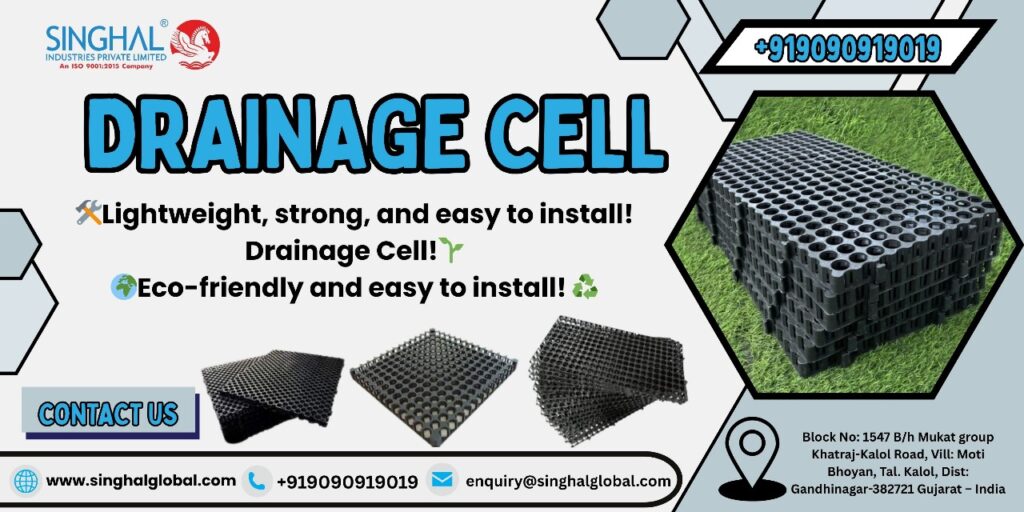
Drainage cells consist of lightweight, modular plastic blocks with high strength that are placed beneath the surface finish such as tiles, turf, or pavers. These drainage cells create voids which allow water to flow away quickly from the surface. This prevents pooling and allows terraces, podiums, and planters, as well as green roofs, to stay dry during even the worst storms. They are almost always made from HDPE or polypropylene. They resist chemicals and root growth.
Normally, when rain falls on a terrace, the water can be trapped in soil, concrete, or paving. Drainage cells in india are like a river under the floor, creating channels and spaces that guide water towards dedicated outlets. This is the secret to why luxury apartment rooftop gardens don’t leak anymore.
The Human Side: Stories From the Field
An architect from Mumbai recently shared that their client’s podium gardens were a constant source of complaints. Every monsoon, the plants would die and cracks would appear. The maintenance team lived on the roof, with buckets of sealant and buckets. The contractor then switched to drainage cells underneath the garden beds. The soil was now chunky and roots were able to breathe. Water disappeared, even in the midst of the most torrential rain. “He loved his bucket!” – but the residents were thrilled that there was less mud and leaks.
Some old-school project managers may sneer at the idea. It’s only plastic grids, right? The argument that we can just add more sand doesn’t hold water. Modern developments simply require more.
Why Drainage Cells Make a Difference
Drainage cells are extremely efficient, moving water from surfaces at speeds of up to hundreds of liters a minute per square meter. This is hard to beat.
- Durability: The high-strength material and chemical resistance of most cells means that they will last for decades, even when buried in damp soil.
- Versatility: They can be used under soil, concrete, pavers, grass, and yes, even within retaining walls to provide vertical drainage.
- Easy Installation: No complex machinery or special skills are required. After a few attempts, most tile or turf installers will be able to master the process.
- Eco-Friendly: Many drain cells are made from recycled plastic. This reduces waste and improves green building scores.
- Cost: the Drainage cell price in India range from INR 18 to INR 60 per piece, depending on brand, thickness, and order size. Although some say that it is expensive up front, the fact that the installation process is quicker and requires less maintenance can often make the difference.
The Industry: Prices, Trends & Manufacturers
India has a lot of innovative Drainage cell manufacturers Singhal Industries is at the top of the list. Other names include Siddhi Rubber Udyog and Vikas Industries. The drainage cell price in India varies widely. It can range from INR 18 for the basic HDPE cell to INR 60 for specialty, high-capacity brands. Most companies consider the price reasonable for a typical terrace job or podium, especially when compared with the cost to fix leaks or replace dying plants. Some budget-conscious people will still compare the numbers.
A Product is Not Enough
People who have their terraces flood every time it rains know how quickly frustration can take hold. Sincerely, it’s embarrassing to explain to new neighbors that the “podium garden” or shoes are always muddy. Drainage cells are not just a solution to a problem; they transform your living environment. Landscape architects are genuinely excited when a project for a podium terrace doesn’t leak during the first monsoon. The value of the hidden plastic piece beneath the tiles becomes apparent in those moments.
Drainage cells are not perfect. Some critics claim that the initial costs are high or improper installation can lead to problems. In reality, they are the unsung heroes of most projects. It’s not magic, just smart engineering.
Conclusion
The industry is full of contradictions. Somebody will always vouch for the traditional methods, such as sand layers, sloped concrete, and extra waterproof coatings. Year after year, architects are flooded with reports of blocked drainage, leaking podiums, and dying plants.
My personal observation: Drainage cells are a great option for anyone who cares about durability over the long term, low maintenance, and a landscape that stays green. They are changing the way that builders view water and changing urban life one dry podium at a time.
Frequently Asked Questions (FAQ)
Q1. Do drainage cells work in retaining walls?
Drainage cells can be a great help for retaining walls or vertical gardens. They let water flow away from the soil or gravel pressing against a wall. This reduces pressure and prevents waterlogging or cracking.
Q2. What is the size and thickness of drainage cells?
Most drainage cells are 500 mm by 250 mm in size or similar. The thickness can range from 13 mm to 30 mm. In high-load areas, it may even go up to 50 mm. The size can be adjusted to suit different landscaping requirements.
Q3. Should drainage cells have a filter layer or geotextile?
A good practice is to cover the drainage cells with a filter, that is normally a geotextile. This ensures that no dirt and roots enter the voids. Water can then pass through without being blocked. Some drain cell manufacturers offer composite systems with pre-attached filter layers.
Q4. How much water can a drainage cell handle?
One drainage cell panel is capable of handling flow rates ranging from 21 to 160 liters/minute, depending on the brand, thickness, installation, and soil above. Even if the rooftop garden is completely flooded, that’s enough to handle most Indian monsoons.
Q5. Who is the largest exporter of drainage cells?
Market share is constantly changing, so there’s no one name that dominates the world. Vikas Industries, Ocean Global, and Singhal Industries are among the top exporters in India. They all have a robust production capacity as well as international clients.