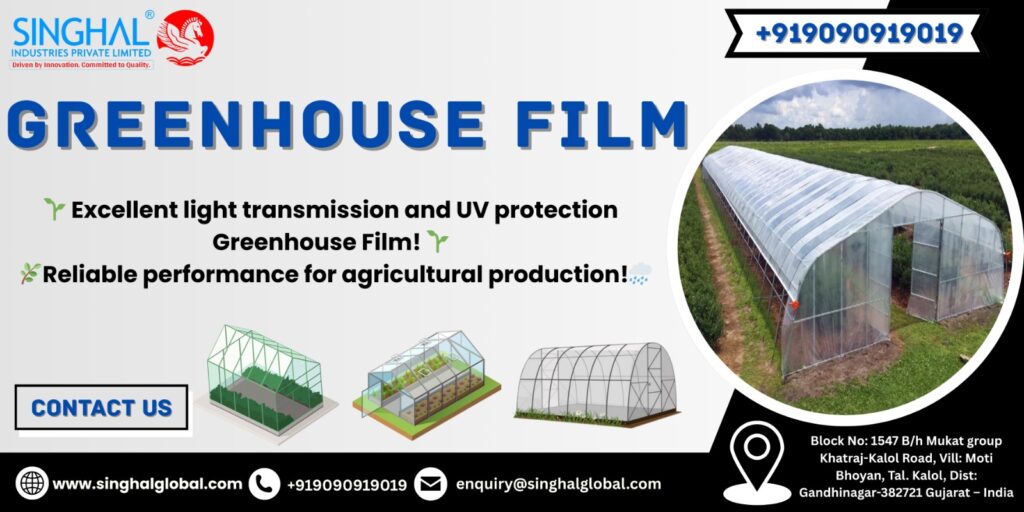
Greenhouse film can be described as the superhero cape you wear for your plants. It protects plants from harsh weather conditions while allowing just the right amount of light and warmth. Farmers all over the world, particularly in regions such as Varanasi, where the summers are hot and cold winters tend to occur, use this material as it increases yields and isn’t expensive. It is made mostly of polyethylene, which is strong and flexible. It will last for a long time if you select a good one.
Why It’s a Game-Changer
Imagine that you’re growing tomatoes or flowers; however, hail, rain, or scorching sunlight keeps ruining your garden. Plastic greenhouse covers can make it easier by creating a comfortable bubble. They hold heat during cold winter nights and block out excess heat during the day, making them ideal for all-year-round farming. The Greenhouse poly film suppliers provide varieties that have UV blockers, so the film doesn’t quickly yellow and lets 90% of the light through to ensure happy plants.
There are many different kinds of films, however. The most basic ones are inexpensive, but they break easily. Growers who are smart opt for 200-micron high greenhouse polyethylene, containing additives. It reduces energy costs too; there’s no need for heaters. In India, where power prices take a toll, this is a real way to save cash. I’ve spoken to local farmers who have said that their initial investment was paid back within a single season.
The length of sentences here differs based on the purpose: short, punchy sentences for impact, while longer ones are for explaining. It’s light too, making it easy to install on frames. It is simple even for small-scale installation. There are no heavy glass issues.
Performance in Tough Weather
It helps keep sand away while allowing cool air to circulate. Frost? Film is insulating, increasing temperatures at night by 5-10 degrees. A real advantage against open fields. Sometimes, a tiny tear occurs due to birds, but patch kits can fix it quickly. Cash returns are strong.
Boosting Plant Growth Big Time
How do they work? The greenhouse is made of plastic film that controls light diffusion, ensuring that there are no hot spots burning leaves. Plants get an even glow, speeding photosynthesis. The humidity stays constant, reducing the risks of diseases. The yields increase by 20-30% frequently, particularly for capsicums and strawberries.
Are temperature fluctuations a problem? Film smooths them out, resembling ideal conditions. Infrared blockers, like red, are better at trapping heat. The greenhouse poly film producers now modify their products for specific crops, like cucumber films that increase height. One farmer’s friend doubled the amount of cucumbers he harvested in his first attempt.
Special Features Explained
- Anti-drip: Prevents water beads from falling on plants, spreading condensation, and less fungus.
- Anti-fog: Eliminates fog fast with maximum light entry, no cloudy view.
- Light diffusers: Scatters sun rays, resulting in stronger stems and fewer leggy plants.
- UV treatment: Blocks harmful UV rays, shielding the film and plants.
These aren’t tricks. They make the greenhouse plastic more efficient. Cost? Prices start at around Rs 50-100 per square meter from reputable Greenhouse poly film manufacture. The best value for money for pros.
Uses Across Crops and Scales
Flexible as hell. Small greenhouses in the backyard for plants? Yes. Commercial polyhouses with 1-acre for exports? Absolutely. Greenhouse polyethylene plastic is ideal for veggies and flowers, as well as nurseries. In Varanasi, florists utilize it for marigolds, a reliable supply for festivals.
Extension of seasons: plant off-season lettuce, then sell it at the best prices. Combine drip irrigation with your garden for water savings of up to 50 percent less. The eco angle reduces the use of pesticides by preventing bugs. A smart investment in all ways.
Cost Breakdown and ROI
Upfront? Frame and film about Rs 200-300 per sqm. However, ROI will be realized over the course of months. Higher yields equal higher sales. Savings on energy by 30 percent. Durable film means less replacement. Greenhouse poly film producers offer bulk discounts – buy 10,000 sqm and get price cuts.
Example: A house of 500 sqm costs Rs 1.5 lakh. Extra tomatoes can be purchased at Rs 3 lakh per year. Profit is a city. Last year’s fuel hikes have made it even more profitable. One small niggle: measuring correctly or cutting waste film. Cut twice, measure twice.
Maintenance Hacks
- Cleanse your home regularly using mild soap.
- Examine tears every month; patch immediately.
- Let sides air circulate.
- Roll spares up and store them in a roll, not folded. This will last longer.
- Tips: Earth to clamps made of metal—no corrosion.
Real Grower Tales
A UP farmer changed to a greenhouse made of plastic film. Output doubled, then sold to hotels steadily. Another farm in Punjab faced fog, but anti-fog film slowed it down, and there were no losses. Everywhere, there are stories of “wish I’d started earlier.” Numbers don’t lie—yields up, headaches down.
Green Side of It
Sustainability is important Greenhouse polyethylene plastic uses less water and does not cause soil erosion. Some companies also recycle old sheets. It reduces emissions from open farms. Governments subsidize now—check schemes.
Conclusion
Plastic film greenhouses are not a fashion, but they are essential for modern-day growers. Lightweight, smart features, big returns. If you’re serious about farming, you should invest now. The yields increase, and the profits follow. Find greenhouse poly film producers locally. Start small, then scale up. The future is bright with that film.
Frequently Asked Questions (FAQs)
Q1. What is the performance of greenhouse films in extreme conditions?
It protects against the elements of wind, hail, and UV while ensuring the temperature remains stable inside. These types are reinforced to withstand monsoons as well as frost very well, allowing all-year-round expansion to take place.
Q2. What are anti-drip and anti-fog greenhouse films?
Anti-drip spreads condensation and prevents drips on plants, cutting mold. Anti-fog helps clear vapor quickly to let light shine better, with no fog inside.
Q3. How can greenhouse films improve the growth of plants?
They control light, humidity, and temperature for optimal photosynthesis and less strain. They diffuse rays evenly and increase yields by 20-30%.
Q4. What type of certifications should greenhouse film be able to show?
Check for ISO UV stabilized, ISO and agri-grade markings. This assures durability, safe light transmission and no toxins – check supplier documents.
Q5. Who is the largest manufacturer of Greenhouse film?
Singhal Global is a leading company in India that provides the best Greenhouse poly film suppliers, best quality Greenhouse Polyethylene plastic and bulk purchase.