Hey, everyone! Have you ever wondered why the thin, transparent bags holding your food items or securing your belongings aren’t ripped apart with the slightest pull? That’s the beauty of PE bags as well as liners, polyethylene wonders that bend, stretch, and wrap around virtually everything. Made of polyethylene, a very durable plastic, bags are found everywhere, from the local store to huge factories. They’re lightweight, affordable, and yes, they can save the day in areas you’d never think of. But, wait a minute, is it really flawless? Sometimes, they break if you overdo it, don’t you think? Let’s explore the universe of PE bags and liners, look at how they work their muscles in every field, and even ask whether they’re really the heroes we make them out to be.
What Are PE Bags?
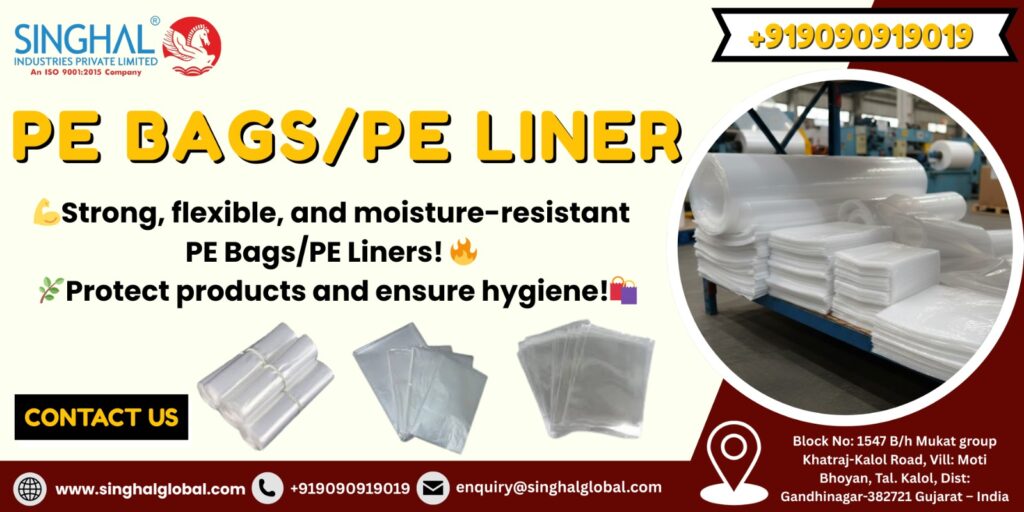
PE bags, also known as polyethylene bags, are available in a variety of sizes and shapes. There are clear bags, black heavy-duty trash bags, customized-printed bags with logos; the list is endless. Liners? They’re the unnoticed heroes in containers or bins, preventing mess and leaks at the bare minimum. It’s the polyethylene material. LDPE for the stretchy, soft ones; HDPE for the tougher versions that are rip-resistant. Manufacturers mix it to meet the needs of their customers. Also, if you’re looking for a reputable PE bag manufacturer, look no further than the experts who produce millions of bags every day. But what are the prices? PE bag prices can be out of control, ranging from pennies for basic items to more for custom-made jobs. Why is this? Quality, as well as thickness and fancy accessories like UV protection.
The Reason Why Industries Can’t Exist Without PE Bags
Imagine an industrial food plant full of vegetables ready to be shipped. If PE bags were not there, these vegetables would begin to wilt quickly. PE liners keep moisture in, dirt out. In agriculture, farmers can bag onions, potatoes, and even grains inside these slick bags. They can be breathable at times and sealed to last for long periods of time. But do they actually prevent all loss? Not if you don’t think about the ventilation. Contradiction alert: they’re excellent for fresh fruits and vegetables, but they can keep too much moisture in and lead to mold. There are many questions: how thick do they need to be? Gauge is crucial, folks. 1 mil for lighter loads, 4 mil and higher for heavier loads.
Manufacturing Shift
Industries use PE bags for parts, chemicals, and powders. Have you seen those massive FIBC bags? They’re PE-lined containers that can hold tons of fertilizers or cement. Flexible packaging means no rigid boxes breaking backs during loading. Retail? Supermarkets are awestruck by these displays. They’re clear, so shoppers can see what they are buying. What about garbage? Trash bins made of PE are the kings of garbage. They wrap around the bin and block odors, and are a great way to do so. Have you ever had a leak? Yes, I did. This is the reason PE bags are so important. Manufacturer quality is important. Top bags test to determine puncture resistance.
Healthcare and Construction
Healthcare also gets involved. Sterile PE bags are packed with gloves, medical supplies, and syringes. Disposable, right? Keeps contamination zero. Construction sites? Liner and PE sheets cover wet cement and shield floors from paint spills. People in the logistics industry swear by them for pallet wrapping, stretch film style. Even e-commerce wraps items that are fragile with bubble-lined PE. Industries abound: pharmaceuticals for pills, textiles for fabrics, automotive for small components. Flexible means adaptable. However, is flexibility always a good thing? Sometimes, rigid packaging is more durable. Food for thought.
The Making of the PE Bag: From Resin to Ready
Are you curious about how they get started? It starts with ethylene gas transformed into polyethylene pellets. Extrusion magic follows: melt, press it through dies, blow it into tubes, cut, and seal. Voila! Bags galore. PE bag manufacturers modify recipes to add prints, colors, and anti-static to protect electronic gadgets. Prices? PE bags are priced lower in bulk, think 20-50 paisa for small bags and up to Rs. for the largest bags. India has giants, particularly in Delhi and Gujarat. Varanasi is also a major city, with local vendors supplying UP markets.
Custom Items and Eco-Angle
Do you need custom items? Inform a manufacturer of PE bags the size, thickness, and print. They have bags with gusseted sides which expand and flat bags to stack. Eco-angle? Recycling PE is available; however, pure virgin lasts longer. Green claims against plastic waste. Are we reducing or increasing pollution? Heavy question.
Benefits That Can Make You Switch
- Super-low cost: It beats cloth or paper hands down.
- Waterproof, mainly chemical-resistant.
- Lightweight, stacks easily: Shipping is cheap.
- Customizable print warnings, barcodes.
- Recyclable. sometimes. Are you sure it’s full? Debatable.
- They’re not easy on tears: sealing airtight solutions for vacuum packing.
- Cold chain? PE is strong enough. It is heat-sealed for freshness locks.
- Industries can save money by reducing waste and faster packing.
However, are there any flaws? They melt at high temperatures. Not ideal for microwaves. Also, static? Electronics don’t like static.
PE Bags and Their Impact in Real Industry Stories
Food processing is a process that requires a lot of time. A Punjab mill packs 50 tonnes of rice per day in PE bags. Liners prevent moisture suck-up. Result? Zero mold claims. Contrary to this, rice needs airflow; are sealed liners effective? Yeah, micro-perfs fix it. Management of waste: Mumbai dumps use thick black PE liners. It holds leachate and is easy to dispose of. Cold warehouses for storage line pallets with PE. It keeps the frost off of items. Pharma in Hyderabad is able to pack powders in anti-static PE. There are no sparks, and they are safe. Agriculture in UP: Potato farmers near Varanasi use ventilated PE nets-cum-bags. Reduces bruising by 30%. Logistics? Amazon-style fulfillment centers are wrapped in PE stretch films. Fast, secure.
Liner for PE: Hidden MVP
Liners deserve shoutouts. Drum liners for chemicals, no spills. Bulk container liners to ship powders across the world. They’re filled, inserted, secured – boom, leak-proof. Reusable? Most likely not, hygiene rules. However, some of the thicker ones can be used for multiple uses if they are kept clean. In all industries, the liners are flexible. Food bins, trash cans, even grain silos. Flexible means they can be shaped to fit the shape of the container, and there are no air pockets.
Pricing and Buying: Smart Choices
PE bag price? Basics: Rs 2-5 per kg. Custom? The price is Rs 10+. Bulk reduces it by 40 percent. Shop direct from PE bag manufacturer. Do not use middlemen. India’s market is booming, and exports are going towards the Middle East. Factors that increase cost include: thickness (microns) and additives (UV and anti-fog), printing (4-color Flexo). Compare quotes. Local suppliers like Varanasi offer quick delivery.
Sustainability: Friends or Foe?
PE bags are a sign of convenience, but what about plastic oceans? Recycling companies transform them into new bags. Biodegradable PE also adds starch, which will break down quicker. But does it? Studies are mixed. Governments are pushing bans, but industries need them. Contradiction: Flexible packaging reduces the waste from food (saving emissions); however, it pollutes beaches. Which is the best option? A tough call. Change to paper? Costlier. It also tears easily. Cloth? Washes are needed. PE wins in practicality. Future? Oxo-degradable versions. Keep an eye on this space.
Conclusion
Not all roses. Puncture? Use HDPE blends. Static? Add agents. Printing fades? High-quality inks. Rules: FSSAI for food-grade PE. BIS standards. Buy certified. We’re at 1100 words. We’re in the process of unpacking deep. PE bags adapt, safeguard the environment, and help save money. Industries profit from PE bags.
Wrapping up: PE bags, wrapping liners? Game-changers. The technology is adaptable to every sector, from factories to farms. But, is it really perfect? Not really – choose the best type. Choose wisely from the PE bag manufacturers. Be aware of the cost of PE bags.
Frequently Asked Questions (FAQs0
Q1. Is PE bag available as bulk supplies?
Yep, absolutely! Top PE bag manufacturers deliver trucks or containers. Minimums start at a low level, which is great for small businesses and giants. Ask for a quote – they’ll tailor.
Q2. Are PE bags suitable for use in cold storage?
For sure. Low-temp PE remains flexible down to temperatures of -40°C. Liners help prevent freezing burn. But you need to pick LDPE as HDPE is brittle in some cases. It has been tested in warehouses all over the world.
Q3. Do PE bags provide long-term storage protection?
Most of the time, yes, with UV stabilizers and heavy gauges. The years for grains. Contradiction: light exposure can yellow them. Seal well, store dark, golden rule.
Q4. Can PE liner be used again?
Not suggested. Risks of contamination are high in food and pharmaceutical. Industrial? Clean and thick, yes, but they’re not single-use. Eco-tip: Recycle them.
Q5. Who is the largest manufacturer of PE Bags?
It’s difficult to pinpoint one “largest.” Giants such as Singhal Industries Pvt Ltd , Winsome, or Gujarat’s PE bag manufacturers dominate. The volume of sales is in the millions each month. Find out about exports for clues.