One of the first concerns that come to a person’s mind while thinking about food packaging is safety. Packaging is not only for storage; it is basically a tool for preserving freshness, hygiene, and the overall quality of the food products. In the current supply chain, PP woven bags have become one of the most widely used packaging materials for food grains, flour, sugar, salt, and the like. However, what makes these sacks so? Are they truly safe for food packaging?
Let’s learn about safe standards of PP woven sacks and how they compare with conventionally used food packaging materials.
Understanding PP Woven Bags
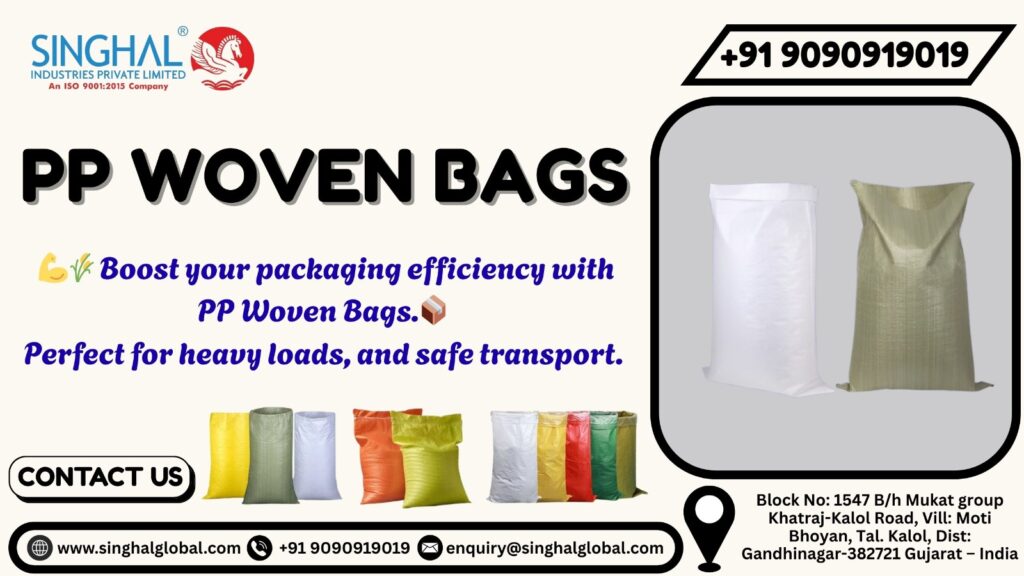
PP woven bags are created from the woven strips of polypropylene (PP) a kind of thermoplastic polymer which is tough, durable, and resistant to moisture. The strength and flexibility of these bags come from the woven pattern. They are everywhere from the packaging of fertilizers to that of rice, from cement bags to grocery baskets.
Actually, the majority of PP woven bags manufacturers nowadays provide food-grade versions that comply with the strict hygiene and safety standards. These are produced in dust-free labs and often have laminated inner layers or liners that prevent contamination and keep the food safe during transport.
Why PP Woven Bags Are Popular in Food Packaging
Well, there is a reason why the worldwide demand for PP woven sacks is increasing. Let’s uncover some of the pros — and a few of the drawbacks that are not taken into account.
Exceptional Strength and Durability:
PP woven bags cannot be torn apart and are in a position to hold heavy loads, unlike paper bags. Think of taking 50 kilograms of rice or wheat over long distances — these sacks will still be in complete condition even if they are loaded and unloaded roughly.
Moisture Resistance:
For food items such as flour or salt, it is necessary to keep the moisture away from them. The laminated version of PP woven sacks offers an additional layer of protection; thus, the product stays fresh.
Reusable and Cost-Effective:
While there are single-use ones, the majority of businesses reuse these sacks several times. The overall PP woven bags unit price becomes very affordable over a long period — thus, a large-scale food producer will be making a wise choice.
Environmental Adaptability:
Whereas food packaging is an environmentally conscious business, PP woven bags are climate-independent. Whether in a humid warehouse or under UV rays, they don’t lose their strength. Besides, for businesses, lowering the rate of bad packaging means less loss and less anxiety about it.
Customization Options:
Producers may add their logos, instructions, or nutrition facts right on the bag by printing. Besides the branding effect, it also facilitates the compliance of labeling regulations.
What remains is that some food industry experts who are plastic skeptics and concerned about food contact safety – which is a valid point – so let’s move to the other side of the story: safety standards.
Safety Standards for Food-Grade PP Woven Bags
Safety or quality food packaging is not an option; it is strictly regulated and kept under constant surveillance. Food-safe PP woven bags consist of virgin polypropylene granules and not recycled materials, as the latter, if recycled, might contain harmful contaminants.
Producers have to follow certain standards and be subject to various checks:
- FDA and EU Food Contact Approval: In most countries, to meet FDA or EU-regulated requirements, PP bags that are supposed to be used in food packaging have to be of safe food contact materials. The process avoids the release of harmful substances.
- ISO Certification (ISO 22000 / 9001): ISO-based quality management systems contribute to better hygiene and safety standards in production units.
- BIS (Bureau of Indian Standards): In India, BIS sets clear criteria for tensile strength, lamination quality, and food safety compliance in the case of PP woven bags used in the food sector.
- Migration Tests: These tests identify if any chemical components have moved from the packaging material to the food substance. When the test is positive, it means that the packaging is chemically safe.
Just consider the case your morning wheat flour could have been transported for hundreds of kilometers in one of these PP sacks, yet you never detect the plastic either by taste or smell. That is the magic of safety standards.
How Dry Grain Exporters Rely upon Polypropylene Woven Bags
Consider the narrative of a rice exporter from Punjab. It happened that he utilized jute sacks for a long time, considering them to be more eco-friendly. Nevertheless, during the rainy season, he saw that the moisture was getting in and causing spoilage and fungus. A change to laminated PP woven sacks had a very positive impact on the reduction of the damage and returns.
He said that it was a little that the PP woven bags price was higher per piece, but the savings that resulted from less spoilage and more customers abroad made changing the supplier absolutely worthwhile.
How Polypropylene Woven Bags Manufacturers are Influential
The polypropylene woven bags manufacturer sector is a significant one that has undergone a major transformation over the last 10 years. The reason for these three to be the biggest manufacturers of the world is due to cheap manufacturing and high-tech polymer technology.
Good manufacturers not only concentrate productively on the volume, but they also take into consideration the cleanliness level of the production environment for food-grade bags. Plenty of them give a chance for custom-printed, biodegradable, and antistatic-lined bags. These developments demonstrate the progress plastic packaging has made.
Conclusion
In short, PP woven bags have turned into a necessity in the food sector, as they are the most convenient, safe, and cost-effective packaging solution. Moreover, if done properly following food-grade standards, they provide excellent strength and can resist contamination.
Whether you are a big grain exporter, a small flour mill, or just an individual, you should know that by opting for certified, super quality PP woven bags, you can have a huge positive impact on your brand and customer loyalty. Thus, the next time you are buying a kilogram of rice or sugar, make sure to thank the bag, which is nothing less than a miracle.
Frequently Asked Questions (FAQs)
Q1. May PP woven bags be used to store food?
Certainly, food-grade PP woven bags are the best option for the storage of grains, flour, salt, and other dry food. Do not forget to take care of the bags that are made of virgin polypropylene and certified by the proper food safety authorities.
Q2. How are PP woven bags closed?
A PP woven bag may be closed by using one of the methods, such as heat sealing, stitching, or band sealing, depending on the type of the bag. If the package contains food, heat sealing is the best way as it makes the package airtight and tamper-proof.
Q3. Is it possible to change the size of PP woven bags?
Sure! The factory can change the size without any limits – you can decide on various sizes, weights, colors, and printing designs according to the needs of your product.
Q4. Are PP woven bag suitable for industrial use?
PP woven bags are the most common industrial packaging for cement, chemicals, and fertilizers. They are ideal for heavy duty use because of their ability to resist tears and hold heavy weights.
Q5. Who is the largest manufacturer of PP woven bags?
The biggest manufacturers are located in such countries as India and China that are considered the worldwide production hubs. One of the largest producers of PP woven bags in India, with top-notch quality and large-scale capabilities, is Singhal Industries Pvt Ltd along with a few major exporters in Vietnam.