Hey, everyone! Imagine this: you’re at the bottom of a construction site and dirt is flying everywhere, clouds of rain gathering in the sky. Then, suddenly, a torrent of rain hits and the loose soil is sucked into the river nearby. Disaster, right? I’ve been there. Not exactly knee-deep but enough to be able to see the work of a colleague become an unintentional muddy mess in my early days of hanging out at Varanasi’s bustling construction scene. It was then that I learned the concept of silt fences. These simple and effective barriers have saved many projects from environmental issues and huge fines. Let’s look at the whole thing with real-life tales, a little of my own thoughts and there might be some contradictions at times.
What is Silt Fence?
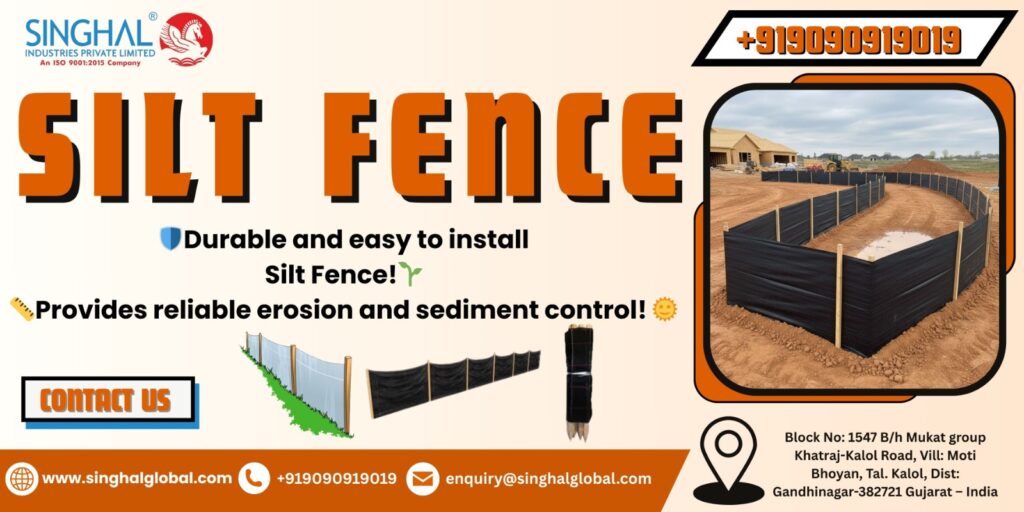
What exactly is a silt fence? At its heart, the silt fence functions similar to a temporary dam built to protect soil. It’s a geotextile weave that is stretched over sturdy posts, typically made of wood or plastic, that are driven into the soil. The concept? Water flows through; however, silt those tiny soil particles that sneak up on you are trapped in the middle. Simple, huh? However, don’t let its simplicity deceive you. On construction sites or landscaping gigs, where the earth is moved about as if it’s out of fashion, fencing is a lifesaver.
I have a memory of this particular landscaping job I did in Varanasi during the monsoon season. We were working on reshaping the landscape near the Ganges and, without an iron fence that would have slowed the runoff, it would have filled the river with mud. Instead, we put up a fence and watched as the water drained away as the fence held back huge amounts of sediment. It was like a win against nature’s fury. It was heartwarming, in fact. But, let me ask: why don’t we observe these creatures everywhere? Cost? Awareness? We’ll get there.
Silt fences come in many designs. Some are simple, and others are constructed for use on heavy-duty sites. If you’re in search of the best quality fencing, then you should look no further than a trusted silt fence producer. They make products that have been tested for durability that can withstand the force of wind and rain, not to mention creepy creatures trying to get through.
The Reason Why Silt Fences are Necessary in Construction
Construction sites are hot spots for erosion. Bulldozers scrape topsoil off, excavators pile them up, and boom creates the perfect conditions to allow sediments to flow freely. Silt fences can be found. They serve in the capacity of sediment barriers, reducing storm water and letting large particles fall out of the natural waterways or storm drains.
Consider highways, for instance. Are you building a new stretch of road out of Varanasi? The slopes are everywhere, and silt fences are affixed to the edges, collecting runoff. I’ve seen contractors construct miles of them, and the difference between them is both day and night. A site I visited was clean and free of pollution boards due to the proper placement of silt fences. Emotionally? It’s rewarding. You can feel that you’re building with integrity and not just putting up concrete.
But, there are some contradictions! Many people swear to use straw or hay bales, wattles in place. They are cheaper upfront, they claim. Yes, but the silt fencing lasts longer and is better in areas with high flow. Hay can rot quickly—I’ve seen it fail in the midst of a storm. Therefore, choose your battles; however, for large-scale projects, Silt fence manufacturer are experts and offer UV-resistant materials that won’t break down in the sun’s harsh heat of India.
What is the Silt fence price?
It is different. Basic rolls cost between 50 and 100 per meter, while custom orders from top brands can cost as much as 200+. Every penny is worth it in the event that you avoid fines of up to a lakh.
The Landscaping Magic of Silt Fences
Landscapes aren’t just pretty flowers and manicured lawns. It’s dirty earth-moving too. Are you reseeding slopes? Retaining walls? Silt fences will keep your yard tidy and the new plants healthy. They help prevent the loss of topsoil, which means that your grass won’t be washed away before it can sprout.
A real-life treasure: A friend from Uttar Pradesh redesigned a hillside villa garden. The rainy season was coming, and we put up silt fences around the lines. After the monsoon, the garden blossomed without a messy mudslide. He cried a little when he said that it helped him finish his dream. A personal insight? These fences allow you to imagine big without fear of erosion taking it away.
Installation: Step-by-Step, No Sweat
Installing a fence isn’t rocket science; however, if you do it wrong, the fence is useless. This is the steps, straight from websites I’ve worked with.
- The first step is to stake out your line – downslope away from disturbed areas.
- Dig trenches 15-30 cm deep.
- Install posts 1.5-2m apart, 60 to 90 cm into the soil. Yep, deep—that’s key.
- Unroll the fabric and bury the bottom third into the trench.
- Backfill the trench tightly.
- Tension wire? An option but a smart choice for wind-prone areas like Varanasi plains.
Tools required such as a post driver and shovel. Two people take around an hour for each 50m. Professional from silt fence maker? They’ll specify the correct height and mesh size, for example, 70-100 micron openings to accommodate fine silts.
Benefits That Will Blow Your Mind
Beyond the basics, silt fences shine when it comes to conformity. India’s EPA regulations require erosion control. Silt fences are able to tick all the boxes. Cost-effective too. One silt fence purchase will avoid the hassle of cleaning.
Environmentally? They cut down on sedimentation by 80 to 90 percent. The water is clearer and fish thrive. It’s emotional, and protecting our Ganges is personal in Varanasi.
In terms of economics, you can reuse them! Dismantle, clean, reinstall. Landscapers are enthralled by that. Safety? There are fewer slips that get muddy for workers.
The first time I saw them, I dismissed them as thin. Wrong! They’re not tough cookies.
Selecting the Best Silt Fence: The Manufacturer is Important
There are many fences that are not equal. Look for reputable Silt fence manufacturers. Make sure to choose ISO-certified companies, which have tests in the lab. In India, companies that export internationally are distinguished. Silt fence price reflects the quality. It is cheap and can tear up easily. Ask for samples. Your personal choice? Biodegradable options for eco-friendly projects. Question: Who’s best? Customization rules: height, lengths, even colors to improve visibility of the site.
Real-Life Wins and Fails
Story time. Fail: A construction company located near Lucknow was ripped off. The fence was ripped up in the first rain. Rs 5 lakh fine. Learning lesson: They switched the Silt fence Supplier. Win: Varanasi bridge project. The site is massive, with silt fences all over. Zero complaints about waterways. The workers were beaming with pride. My emotion? The pride in making green choices. But why are there so many failures? Installs that have been damaged. Be patient!
Conclusion
Upgrades to technology? Smart fabrics that have sensors for building alerts. Biodegradable poles. Exciting! In landscaping, integrating designs—fences double as planters. The risk of greenwashing is high; however, real innovation emerges. India’s growing infra industry demands more. Silt fence makers are ramping up. A few thoughts on wrapping up: Silt fences aren’t attractive, but they’re also heroes. From the chaos of construction to lush landscapes, they are a blessing.
Frequently Asked Questions (FAQs)
Q1. What are the height options available to silt fencing?
Most commonly 0.6m to 1.2m or even 1.8m for heavy-duty. Manufacturers can tailor the length to suit gardens, taller for highways.
Q2. Do silt fences work close to water bodies?
It’s a prime location! Maintain a buffer of 1-2 meters, and ensure the flow of. Restored Ganges sites numerous times.
Q3. What are the ways that silt fences safeguard the ecosystem?
Silt traps reduce pollution to water. Lower turbidity is better for ecosystems. Fish and plants flourish.
Q4. Can silt fences be made to fit in terms of size?
Yes! Silt fence makers cut to specification – width and height, as well as the type of fabric. There’s no cookie cutter here.
Q5. Who is the largest supplier of silt fence?
Globally it’s a toss-up; however, Indian giants such as Singhal Industries Pvt Ltd those from Gujarat have the most exports towards the Middle East and Africa. Find trade data – they export tons each year.