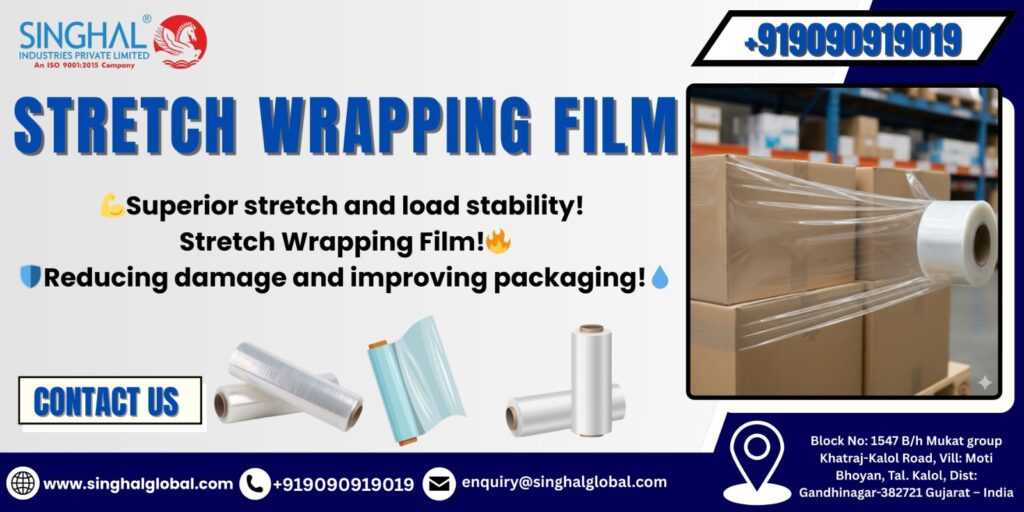
Hey, folks! Imagine a bustling warehouse anywhere around the globe, pallets packed high, forklifts whizzing around and the clock ticking towards deadlines for shipping. This is where stretch film shines, providing the strength needed to hold loads and clarity to make it easy to check and stretch that extends your budget. I was a friend of mine with his logistics job during the peak holiday rush and boxes were slipping off the trucks, customers yelling and a tense atmosphere. Then he switched to a quality stretch film and boom, no more problems, just smooth deliveries and the delicious relief of “finally did it right.”
However, is it perfect? No way. Films at bargain prices tear easily and can leave you annoyed mid-wrap. Let’s look at the reasons why top stretch films are a must. We’ll address those terms such as Stretch film price per kg as well as stretch film rolls. We’ll tell stories in raw form, feelings and even the oddities. There are FAQs at the end as well. It’s not just a plastic wrapper. It’s business glue. Let’s get it unwrapped!
The reason why Strength is the First Line of Defense
Strength matters big time. Imagine a truck going through bumps during a long trip. A weak film snaps, items fall and the losses mount. Stretch film that is tough and durable holds tightly and is a strong tensile material that can handle massive pallets like a pro.
Real-life success: A friend was the manager of a warehouse and was obsessed with the cheap Stretch film roll price per kg, which was around 120 rupees in the year before. Disaster! The drinks exploded in transit and refunds slashed margins. Tears almost gushed out. Upped to premium at Rs170/kg–puncture-resistant, held 2.5-ton stacks steady. Sales jumped 35%, stress vanished. What was that “aha” time? It’s like winning an extremely risky bet.
The problem is that being stronger doesn’t necessarily mean you’re more intelligent. It’s too rigid and is prone to slipping on shapes that aren’t quite right that invite shifts. But balance is the rule. Made out of LLDPE resins, high-quality ones require 200-300 percent elongation before breaking. Tests show that they remain on vibrating trucks. Have you ever seen a load break? Gut-wrenching. Ask yourself: What’s your greatest strength in a horror tale?
Clarity: The Ability to See Through the Stress
Foggy wrap conceals the problem? Unpacking the wrap can cause nightmares until you are free. Stretch film with high clarity acts as an open window. As light passes by, you can see dents, leaks, and misplacements swiftly. It is easy to unwrap.
Food packers adore it. Wrap pallets of produce in wrap, buyers look in, and confidence is built. Opaque junk? Doubts rise–“Is it new?” Sales slump. Clarity eases nerves, especially in humid areas where water vapors clog the film. Shine creates logos that pop. Brand across every film.
Personal note: I packed gifts for my family once. Clear film allowed me to double-check without any mess. I arrived with perfect, big smiles. But, a contradiction: super-clear lenses can be glaring in bright lighting, causing strain to eyes when you inspect. Trade-off, right? The haze level that is low (under 8 percent) is the best option. Do you often berate hidden damages? You thought so. It’s a practical form of magic. Peace of mind through plastic.
Stretch: Where Efficiency Meets Costs
Stretch – the wow factor! Stretches up to 250-300%, meaning one roll of stretch film wraps more pallets and cuts down on the waste. If you stretch it properly, it will cling back with firmness without looseness.
An example from a logistics friend burning fast and costs are soaring. Changed to stretch film with high stretch, cost per kilo at Rs150; however, they used only 45. Everyone is a high five, just like striking oil. Informal tip: Try to achieve 60-80% stretch and overdo as it loosens later. Gauges vary: 15 microns light duty, 35 heavy.
A word of caution: more stretch is a good thing; however, cheap rolls stretch too much and after which they snap. Quality prevails. E-commerce has a boom, and it cuts down on the logistics time by 20 percent. Me? Wrapped Diwali sweets once – perfect strung without squeeze. Small pleasure, huge lesson. What’s your best stretch hack?
Price Breakdown: Cost vs. Low-cost Themes
Money talks, so what’s the Stretch film price per kg? The market price for 2026 is between Rs130 and Rs260. Budget at Rs130 tempts, but shreds quick–false economy.
A standard Stretch film roll 2-5kg, usually 500mm wide and 1500m long. The cost of Stretch film roll price per kg drops dramatically when bulk purchased. Buy 50, bargain to Rs125. Why do prices fluctuate? Resin quality, additives to UV as well as clarity. Import vs local shifts.
Time for a story: a friend sought the lowest price, but regretted it when returns increased. Cost per pallet calculated instead, premium saved a lot of money each year. The thrill of a bargain and the sting of cheap failures. Do you want to know: per kilogram or savings in total? The smart money suggests this is the case. Bulk buyers, negotiate hard!
Real-World Applications that Reach Home
The versatile beast. Warehouses palletize their boxes and secure them. Farms wrap bales to protect against weather. Hay remains dry, farmers smile.
Food scenes: cheese blocks packed with clarity spots, early spoilage of clarity spots. Soiled food? Heartbreak, loss of dough. Manufacturing secures pipes, metals–no shifts. Events? Secure transport of gear.
Conclusion
Green enough? Yes, landfills are recyclable. Bio-mixes made of starch break up quicker and gain traction. A lesser amount of material is stretched too. Feels good using effective rolls. But is it hype? Certain “eco” claims are a flop with no evidence. Nano-tech coming: self-heal and UV block. Roll advancements are also possible. Exciting, no Stretch film that delivers strength, clarity, and stretch that drives operations across the world. Feels, real saves and pricing intelligence.
Frequently Asked Questions (FAQs)
Q1. Is stretch film safe for food packaging?
Food-grade versions, yes. Virgin polyethylene, no toxins, no smells. Exporters wrap fruit directly – as safe as homes. Avoid recycling for food and the possibility of contamination. Certified ones? Golden.
Q2. How do you make stretch films?
Melt pellets in 220°C. Extrude tube, blow massive bubbles. Cool, cut slits to stretch the film roll. Additives boost power. Factories hum constantly, loud and hot amazing chaos!
Q3. What size rolls do you have in stretch films?
Loads! Widths 250-1000mm, lengths 500-3000m, cores 1-3″. Price per kilo is less expensive than larger rolls. Customs fit odd pallets. Go-to: 500mm x 1500m.
Q4. How can stretch film stop the shifting of the product?
It is tightly molded, and friction locks it. Overlaps edges, bonds layers. Cuts shifts by 95%. The truck swerves? It holds firm. Hugs from science!
Q5. Who is the largest manufacturers of stretch film?
Berry Global, Amcor top worldwide. India? Uflex, Supreme, Singhal Industries generate huge quantities. The quality varies, so pick based on your needs.