The way we farm today is not the same as it was thirty years ago. In the past the farmers relied on natural materials like clay, wood or even metal to construct reservoirs and waterways and silos. In the present, plastic-based products take over significant swaths of the infrastructure for agriculture. The most prominent of these substances can be HDPE (High-Density Polyethylene)–a word which may sound technical, but has turned out to be a game changer in farming applications. When people talk about durability, weather resistance and cost effectiveness in the modern world of agriculture, HDPE sheets always appear.
What’s special in these sheets? Let’s take a deeper look at how HDPE sheets are changing modern agriculture, how they’re used, the reasons farmers are in love with them, and what you should look for prior to purchasing the sheets.
Understanding HDPE Sheets
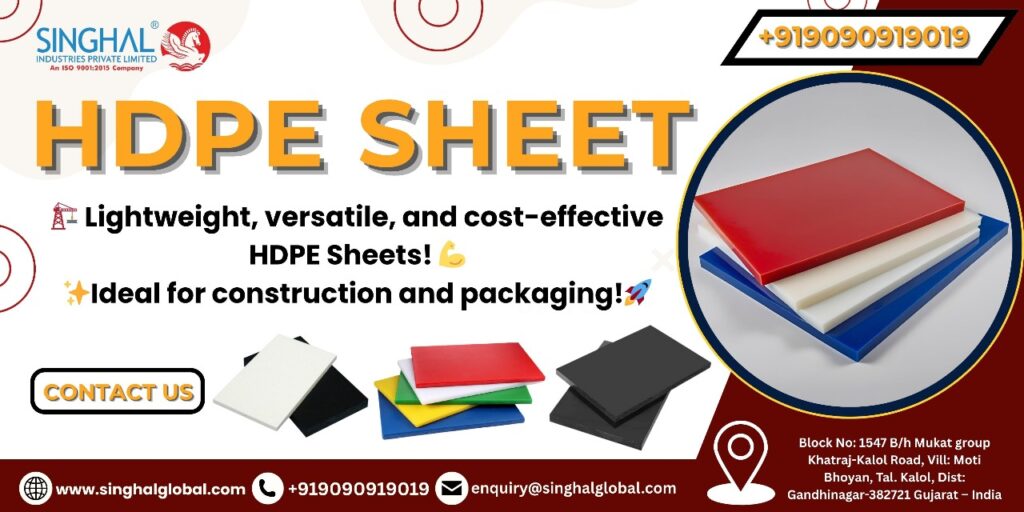
HDPE which stands for High-Density Polyethylene is a kind of plastic that is renowned for being tough yet extremely light. It is distinguished by being flexible enough to mold easily, yet rigid enough to hold its shape when pressure is applied. This makes it a must-have not just for agriculture but as well in construction, packaging and even in households.
When utilized in agricultural settings, HDPE sheets act as protecting layers. Consider the sheets like armor plating on farms. They safeguard spaces and structures from sun, water and chemical harm. The thickness of the sheet is an essential role here The thicker sheets have greater durability and resist tears or punctures, while thinner sheets are typically less expensive and more manageable.
If you’ve ever been through an outdoor greenhouse or observed huge irrigation ponds that are neatly lined, it’s probably HDPE working quietly in the background.
Why HDPE Sheets Are Popular in Agriculture
There are many products that farmers can pick from, but HDPE is still at the top of the list of materials. The main reasons are:
- Long-lasting and durable: In contrast to metals that rust or wood that rots, HDPE sheets are resistant to degrading and corrosion even after decades of exposure. The weatherproof nature of the earth means that farmers do not have to be concerned about the changing seasons. HDPE can stand up to intense summer heat, heavy monsoon rainfalls, and even frigid winters without deteriorating in shape.
- Cost-effective: When you consider the performance and longevity of HDPE with the cost, it’s a great deal. The cost of HDPE sheets depends heavily on the thickness, size, and the manufacturer, but in all cases, it’s a single purchase that will pay off over the course of time.
- Environment-friendly: While this sounds ironic because it’s plastic, HDPE is fully recyclable and doesn’t release harmful pollutants, making it more sustainable than older materials. Imagine this scenario: A farmer puts in an HDPE liner for his pond for fish today. Ten years later, the liner is still there, with no cracks and no leaks. This level of trust isn’t just practical; it’s peace of mind.
Common Applications of HDPE Sheets in Agriculture
Let’s examine where HDPE sheets are the most frequently utilized in farming:
- Greenhouse construction: In greenhouses HDPE sheets are used as insulation and cover-ups for protection. They effectively trap heat, while also allowing airflow.
- Compost Pits are used for flooring or as lined material to prevent release of compost liquids into the soil while ensuring the environment’s safety.
- Storage Tanks HDPE can be used to produce sheets for grain or chemical storage tanks due to its durability to solvents and oils.
- Mulching and soil protection: Certain farmers utilize HDPE sheets to stop water loss and weed growth. It’s an affordable, but effective technique that can boost yields.
A farmer from Rajasthan once told me “Before HDPE lines, my pond’s water was gone in just two days. Even after more than a month the pond is in the same place.” Stories like which explain more than any technical chart could.
The Role of HDPE Sheet Thickness
One size does not fit all in the case of HDPE sheets. The Hdpe sheet thickness decides its use:
- Thin sheets (1-3 millimeters) can be used for agricultural pits, small covers or temporary walls.
- Medium sheets (4-10 millimeters) They are used in flooring, lining ponds, and greenhouses.
- Sheets that are thick (above 10 millimeters) are ideal for use in heavy-duty applications, such as tanks for chemical or large reservoir liner.
If the thickness is not sufficient for the task it is possible that the sheet will break or degrade more quickly. However the sheets with a high thickness are more expensive and difficult to install. This is why speaking with reputable Hdpe sheet suppliers prior to purchasing is always a good idea. They can provide guidance according to the farm’s particular requirements.
Durability and Performance in Real-World Conditions
One of the things that consistently earns the trust of farmers is the way HDPE is able to perform under extreme conditions in the field. In the face of intense sunshine, heavy rain, or in contact with fertilizers, HDPE remains strong.
For instance in coastal regions such as Gujarat in which the air is high salt content, conventional metal containers corrode within a few months. The replacement of these containers with HDPE sheets increased their life span to years. Similar to the hilly terrains in Himachal Pradesh, farmers use HDPE-coated canals to channel snowmelt, thereby improving irrigation even in dry seasons.
The capacity of HDPE sheets to be flexible in cold temperatures is a different benefit that is often overlooked. Certain materials crack when temperatures drop, however HDPE remains intact.
Economic Factor – Balancing Cost and Quality
Farmers will always consider ROI, regardless of whether fertilizer, seeds, or even infrastructure investments. The Hdpe sheet price may depend on the brand, thickness, and location; however, overall, it is among the cheapest options for its range of performance for small farmers. Government grants for plastic-lined ponds as well as irrigation systems make HDPE sheets more attractive. A single investment could help you save years of work and expense for maintenance. When compared with alternatives like metal or PVC, HDPE delivers the best cost-to-performance ratio. PVC, for example, is prone to cracking and hardening over time due to UV exposure, while HDPE withstands sun damage extremely effectively.
Conclusion
At the moment when agriculture needs to be more productive and waste needs to be minimized, HDPE sheets have created a niche to be trusted partners. They are tough, waterproof and reliable. These are the three things that are valued by farmers.
Admittedly, there is an argument over the environmental effects of plastics. But in a trade off with durability and recycling, HDPE becomes among the most viable to the present day farmers. HDPE sheets are going to provide confidence and reliability when you are lining a pond or securing crops or building an outdoor green house.
They may not be elegant, and not everyone is willing to talk about them for hours. Sometimes, the most quiet devices, such as these sheets, are those that are changing the future of farming by laying down a solid layer one at a time.
Frequently Asked Questions (FAQ)
Q1. Are HDPE sheets water-proof?
Yes, absolutely. HDPE sheets are waterproof to the extreme This is the reason they’re used to line ponds and storage tanks, and canals. They stop water leakage and help maintain consistent levels of water which is particularly important in areas that are prone to drought.
Q2. Can HDPE sheets be used outside?
Actually they’re specifically designed to be used outdoors. They are capable of handling the elements of wind, sun and snow without degrading rapidly. The majority of sheets have been UV stabilized to avoid the damage caused by exposure to sunlight for a long period of time.
Q3. How tough are HDPE sheets when compared with other plastics?
HDPE can be described as one of the longest-lasting plastics that are readily available. It’s not damaged by chipping, cracking or warping as PVC or LDPE. In fact, it will last for more than 20 years with very little maintenance, if it is installed properly.
Q4. Are HDPE sheets resistant to chemicals?
Yes. HDPE is also famous in terms of its high resistance to acids, chemicals and solvents. This is what renders it suitable to the agricultural setting where cleaning agents or fertilisers can be exposed to.
Q5. Who is the largest manufacturer of HDPE sheets?
Singhal Industries, Dow Chemicals and LyondellBasell are some of the largest companies in the world. In India, the best manufacturers of HDPE sheets are Reliance Industries and GAIL that manufacture different thicknesses and grades of the same sheet which can be used in other applications.